hi again.
as said at the beginning of this tutorial, it was first a spontaneous idea some-odd months ago. i was really excited about it, but now i've been looking at it for so long i'm not sure if it's even useful or interesting anymore.
there was another section on character design that i decided to axe because i really didn't have it in me to make new character designs just to demonstrate things.
i'm just gonna type it out here for now in case anybody is an artist but not necessarily a visual learner here, though. it went:
1) you're taught in art school something called "the golden proportions" -- there's a set for human faces and human bodies to make sure you always have a solid sense of anatomy as long as you can draw just a body part or two even if it's not necessarily in proportion.
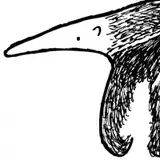
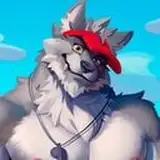
i was asked how to draw furries/monsters/non-humans without making them look uncanny or "off" because their proportions can be so different, and i looked at my own character designs (tried to pick ones really really different in body type).
the general common ground i found i summed up like this: "body length > 2x head-to-ribs > 2x hip-to-knee; and keep the hand at around crotch or hip level"
i'd honestly love to study it in more detail at some point. it's been a really long time since i've studied cartoon design, but it was one of the first things i seriously read about to learn for my own art.
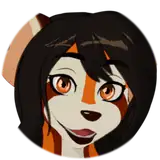
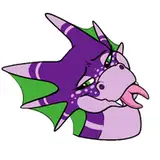
2) the second thing i wanted to put into the character design portion was also related to furry design, and that's because a lot of furries put... weird-looking markings onto their designs. nature has reoccurring fur patterns and markings, and those tend to be easier to work into a simple design while looking "normal" to the average viewer.
-animals tend to have belly/chin/inner thigh markings that are lighter than most of their coat. this is because it helps them camouflage.
-animals frequently have markings around their eyes, they are usually either "black" or "white" or somewhere around that range. black markings can look like eyebags (in nature it's usually to shade the eyes from bright sunlight like sunglasses) and white can look like eyeshadow (in nature that's usually for animals who live in the forest, it does the opposite and draws more light to the eyes, and helps eyes look less like eyes even when reflecting light to other animals).
-spotted/mottled/piebald coats are noted to be most common in domesticated species. use with caution. they are usually paired with shorter snouts and floppy ears in animals (also due to domestication)
-stripes or "ticked" marks tend to be on the backs of animals, but not on the legs (or arms). when they are on the arms, they tend to be bands instead of broken into stripe markings like on the rest of the body.
-for general inspiration, domesticated animals are a good change of pace. horses, rats, dogs, and cats all have a pretty wide variety of breeding fuckery to achieve unique coats and patterns.
that's about all i got. i'll try to throw any other neat art tips i think of in a non-tutorial format at this tier in the future. because this is a tutorial, i'm setting this post for early release.
Khyle
2019-01-09 16:00:55 +0000 UTCcherrvak
2019-01-03 00:12:27 +0000 UTC