An animator patron asked how to build a portfolio while gaining a following on social media. After replying, I've found the answer worth sharing with you all, although the examples are animation oriented, the overall concept is very simple and applicable to all types of artists. Let's dive in.
You currently have two goals: first, building a portfolio, and second, social media following. The portfolio goal will define the art direction of your social media posts. If you still don't know which direction to take with your portfolio, I suggest you DM me here on Patreon, and we can discuss some solutions.
Social media isn't just about you; it's akin to providing an entertainment service. Some artists think it's all about them and demand people's attention. In reality, it's about doing what you love and observing people's reactions. Based on that, you shift, adjust, or change your approach within the direction you initially chose.
You can focus on technique or narrative, sometimes both to some degree, but I’ll split them for this case.
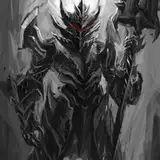
- Technique: As an artist, you can share art that highlights your technical skills with little or no narrative/story. High-quality renderings of portraits, animals, or other subjects without context often attract attention, especially from non-artists. For animators, smooth line art animation or full render loops that might not demand many frames but have a finished look are appealing.
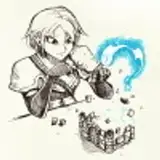
- Narrative: Alternatively, you can share narratives that people relate to. This approach does not require high levels of skill in art techniques as long as your stories resonate with the audience. For example, memes are simple line art symbols that capture human emotions or situations and go viral because they tell relatable stories. In this sector, you might face more competition since everyone can create a stick figure, so your ideas need to be unique and communicated effectively. For animators, a sequence of frames or a storyboard-like short story might suffice; what matters is the story and how you tell it. Keep it short, as the attention span on social media is limited.
At the beginning, I recommend staying lean; by "lean," I mean adopting a sketch approach while you gather data on what people like. This includes exploring different ideas and techniques you can execute in a relatively short amount of time. It's common for me to spend hours on a piece I believe will go viral, only to be proven wrong, while a 30-minute sketch I dislike becomes popular.
Consistency is about presence on social media, not style. There's no perfect time for algorithms to align and increase likes and views; it's ultimately about the content. You don't need to post every day, but avoid disappearing for long periods. Social media builds familiarity; disappearing for months might not make everyone forget you, but it could reduce your reach. Adjust your posting frequency according to your art style's demands and your schedule. Keep it simple and casual to ensure longevity.
I recommend Instagram, X, and TikTok. For animation, TikTok is likely the best option due to its speed and emphasis on video content. Expect occasional negative comments; handle them by muting or blocking the offenders. Don't take anything personally; these people don't know you.
Ultimately, everything boils down to what you can consistently do over time. Social media requires a long-term presence. If you burn out, no matter how viral a post was or how beautiful the art, you might quit. Pay attention to people's reactions, adjust, and keep it simple, focusing on what you and your audience enjoy. Over time, your following will naturally grow.
These aren't fans; followers on social media are there for entertainment. Likes and comments are easy to give without commitment. Therefore, the number of likes/followers doesn't directly translate to financial support. Keep in mind that building a community on social media is different from building a customer base. Social media is excellent for marketing and gaining visibility, but converting that into business requires a different strategy.
Lastly, if your work doesn't get the expected reaction, it doesn't necessarily mean it's bad. Factors like algorithms, follower count, and format play significant roles. Start simple, explore different things you like, and observe what works for other artists. The more you test, the better.
Again, after making your portfolio plan or direction clear, let's discuss how it connects to the previously mentioned points.
.
If you are interested in more about this topic I suggest you to read these posts, they tackle some of the points on this article but from a different perspective
How to Create an Audience That Follows Your Art - My Strategy
How to Manage Art In Social Media - My Experience (3 Key Tips)
.
Tomorrow, I'll be sharing the process video of this piece along with the files and insights. They will be available for Mastering Maestro tier and above. Feel free to upgrade if you want more insights about my work.
Welcome to all new patrons! Feel free to drop any questions here in the comments, via DMs on Patreon, or in our Discord group. I'll be more than happy to answer and track your progress.
For more information, check out our Patreon FAQ: https://ramonn90.myportfolio.com/faq and Patreon Catalogue: https://ramonn90.myportfolio.com/work
Thank you for your support.
Ramon Nuñez
2024-03-17 16:26:11 +0000 UTCReyreyAthlas
2024-03-17 15:59:50 +0000 UTCRamon Nuñez
2024-03-15 23:47:17 +0000 UTCDoge
2024-03-15 23:45:38 +0000 UTC