Hey everyone,
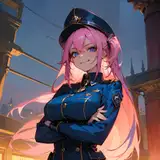
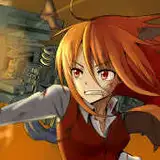
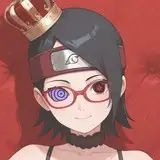
Many artists, despite understanding anatomy and having clear character visions, struggle to create dynamic and stylized drawings. This challenge often stems from adhering too strictly to 'correct' proportions and real world anatomy, leading to flat, unintended results. How can they move beyond these limitations to truly capture their vision? In today's post, I'll give you two steps to deal with this issue.
I'm sure you already have an idea about what your character is all about, but before diving into the design, it's essential to pinpoint your character's core traits, as these will set the mood not only for proportions but gesture as well. Ask questions like:
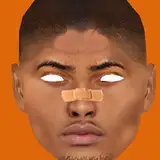
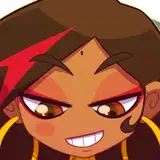
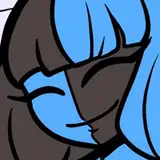
Certain visual traits are often linked with character archetypes. As a guide, consider the following visual traits per archetype:
This list is taken from the archetypes defined by Carl Jung, the psychiatrist and psychoanalyst. However, the visual cues provided are merely suggestions, resonating from our collective understanding of visual storytelling. While they can be helpful, they're not limitations. It's always essential to explore beyond these traits and innovate in your character designs.
The Problem with Lines and Rigid Anatomy: Traditional line art can often confine artists, leading to rigid and static character designs. This rigidity is further cemented when artists strictly adhere to real-world anatomical proportions and constraints.
The Power of Shapes: Shapes offer a solution to the above problem. When you start with a foundational shape or silhouette, you're not tied down by the precision of lines or the limitations of standard anatomy. Instead, you're free to envision and craft a character that aligns more with your imagination and less with real-world constraints.
Execution Using Shapes:
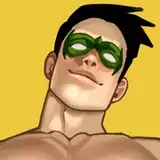
The challenge you're facing isn't just about mastering shapes and lines, it's deeply rooted in understanding the universal symbols behind character design. Let's take the "hero" as an example. Universally, certain features and gestures make a character instantly recognizable as a hero. Once you've identified these key traits, the real challenge begins. It's easy to feel boxed in by preconceived notions of what a hero "should" look like, but the real magic happens when you stretch, twist, and play with these foundational shapes.
In case you want to know more about exercises to improve your shape exploration with brushes, take a look at this article. https://www.patreon.com/posts/creating-from-85719922 Although I'm no longer sharing that specific brush, you can still practice with any brush.
Conclusion
Remember, it's not about rigidly adhering to a template. Embrace imperfection. While starting with broad shapes might seem limiting, it actually frees you from getting bogged down in detail too early. By focusing on the essence first, you can then layer on the nuances. Perhaps, for some, lines can offer the same freedom, but the key takeaway is to steer clear of perfectionism. In art, sometimes the unexpected deviations lead to the most memorable characters
Tomorrow, I'll be sharing the process video of this piece along with the files and insights. They will be available for Mastering Maestro tier and above. Feel free to upgrade if you want more insights about my work.
Welcome to all new patrons! Feel free to drop any questions here in the comments, via DMs on Patreon, or in our Discord group. I'll be more than happy to answer and track your progress.
If you found this article useful, please drop a like or a comment! I appreciate the feedback and criticism as well, as I strive to improve and provide you with the best content.
For more information, check out our Patreon FAQ: https://ramonn90.myportfolio.com/faq and Patreon Catalogue: https://ramonn90.myportfolio.com/work
Your support makes this content possible! Thank you.
Buki
2024-01-31 01:11:12 +0000 UTC