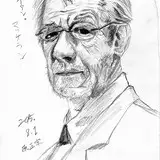
Building characters with compelling personalities involves understanding their motivations and how these drive their actions. Here are five tips to help you create characters that truly come to life.
1. Define Character Motivation
To craft a character with a vivid personality, start by defining their motivations. Understanding their core motivations will help you build a foundation for their personality. These motivations shape how they interact with the world and influence their decisions and behaviors.
For instance, a character motivated by revenge might be intense and focused, while one driven by curiosity could be more adventurous and open minded. These motivations shape how they interact with the world and influence their decisions and behaviors.
2. Develop Relatable Scenarios
Based on the character's motivation, come up with simple situations in which the character will show their skills or something relatable to the viewer. In my opinion, these scenarios should highlight their personality in everyday life mixed with absurdity or crazy ideas. Like a chef slaying kitchen partners instead of fish (a bit gory, I know).

This not only showcases their skills but also makes them relatable to the viewer, as they can see the character in action, overcoming challenges that highlight their core traits.
3. Choose Appropriate Outfits
The next step is to think about how the context of the character's motivation and situation justifies their outfit. The clothing should be functional and reflective of the character's role and personality.
Start with a realistic foundation and then push shapes and colors out of the ordinary while maintaining a realistic ground. For instance, a character on a quest for knowledge might wear practical, sturdy clothes suitable for exploration, with pockets for tools and notebooks. Alternatively, a character driven by a desire for revenge might wear dark, concealing clothing that allows them to move unnoticed.

The outfit is a crucial element that adds depth and believability to your character.
4. Focus on Gestures and Expressions
Gestures and facial expressions are the cherry on top because these are powerful tools in conveying a character's personality and emotions. Without them, the character is just generic.
Think about how your character would naturally move or react in different situations and ensure the gestures and expressions match the character's motivation or mood, fully showcasing their personality. For example, a character driven by revenge might have a clenched jaw and narrowed eyes, exuding tension and determination, while a curious character might have wide eyes and an open, inquisitive expression.

These physical cues help to visually communicate the character’s internal state and make them more engaging to the audience.
5. Use Contrast to Enhance Uniqueness
Sometimes it's easier to understand a character's personality when comparing them to others. Consider designing more than one character with different personalities, situations, costumes, and gestures. This contrast will make each character feel more unique.
For example, putting a revenge-driven character next to a curious one shows their different attitudes, outfits, and actions. This contrast makes each character unique and adds depth to the story by showing different perspectives and interactions.

For more on this, check out this article about Bringing Characters to Life: 4 Personality Building Tips (Sisters File & 5h Video)
I hope this helps! Tomorrow I'll be sharing the process video and file of today's illustration for those in the Mastering Maestro tier. If this tickles your fancy, don't forget to upgrade!
Thank you for your support.
Dea_The_Mystic
2024-05-30 22:30:26 +0000 UTCRamon Nuñez
2024-05-30 10:36:59 +0000 UTCDoge
2024-05-29 23:40:58 +0000 UTC