There’s a scene early on in Little Marvin and Lena Waithe’s THEM in which Henry Emory (Ashley Thomas) recounts having mustard gas tested on him by his own superiors during his tour of duty in the second World War. Henry’s traumatic memories are triggered by, of all things, a piece of peach pie his wife and daughter baked for him. It’s the fragrance of sugar and soft, aromatic cooked fruit, the taste of the pie in the air, which reminds him of the eerily similar flavor of the chemical weapon. Sweet, like dessert. His stammering recollection is fragmentary, full of panicked self-loathing, his expression lost. He talks about blistered skin, blinded eyes, and that taste, that hatefully sweet taste that made him fling a simple gift from his family against the wall in a trauma-reactive rage. Later we see him torment himself over this incident, attacked by a subconscious demon in the form of a minstrel showman in ghastly blackface, white greasepaint smeared sloppily over a mouth subtly enlarged by CGI, a specter of internalized racism.
Much of THEM concerns this penetration of whiteness’s arbitrary cruelty into the black home and the ways that cruelty mutilates black self-regard and community. Henry and his wife Livia “Lucky” Emory (Deborah Ayorinde) struggle throughout the series with mental health issues instilled by repeated traumatization at the hands of white America and focused through the lens of the well-to-do home they purchase in their flight from North Carolina to California. That home, the archetypal sanctum of the heavily politicized (and inherently white supremacist) American nuclear family, is both the attainment of a dream of status and independence and an object which actively distances the Emorys from their fellow black people. The desire for whiteness throbs through Henry’s unwillingness to live closer to family, through his daughter Ruby’s (Shahadi Wright Joseph) mistrust of her own mother and desperate wish for blue eyes, pale skin, and all the other trappings of white womanhood. Even the heart-wrenchingly adorable Gracie (Melody Hurd) dwells at length on a book of etiquette so fussily, mean-spiritedly white it might as well be written in bleach.
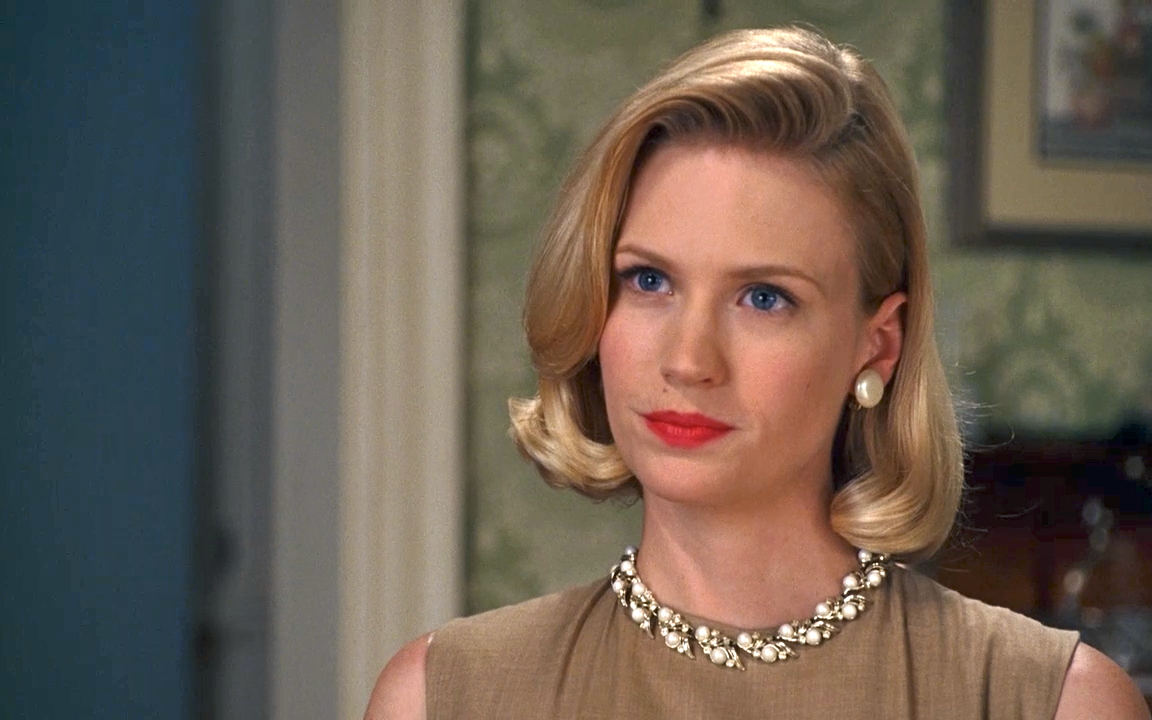
The show’s white characters are established with a deftness I haven’t seen elsewhere, at once fully human and incontrovertibly despicable right from the jump. Alison Pill as the revolting Betty “Betts” Wendell is a particular delight, a ghoulish visual and thematic echo of prestige TV’s other famous Betty. She and her vicious, repressed ilk are shot and costumed with phenomenal attention to detail, their makeup laid on thick and in colors meant to draw attention to subtly discolored teeth, beady, ratlike eyes, and other minor grotesqueries accentuated by the traditional, marketable beauty of the women in which they manifest. The show’s white women in particular are endlessly complex without ever coming near an excuse for their behavior, which ranges from overt violence to weaponized victimhood and vulnerability. Their husbands abuse them, they come from incest, helplessness, battery, and rather than finding common cause with their fellow oppressed, they take the opportunity presented by the appearance of people with even less agency than they have to instigate kidnapping and murder.
All of this, though, is only the show’s body. Its atmosphere, the sensory experience of sitting through it, is an achievement all on its own, a sustained anxiety attack that grabs the viewer by the throat and squeezes right until the final moment of the season. There are islands of relief here and there between the bitter, burning racism, the literally nauseating camera work which in one scene rocks like the deck of a ship as a character contemplates revisiting life-ruining trauma in order to regain a little power, the wire-taut stress of chronic anxiety and unprocessed grief. The Emorys reading together in bed. Lucky’s call-and-response affirmations of love with her daughters and husband. Like The Witch, The Terror’s first season, and countless other pieces of horror film, THEM understands that in order for a viewer to truly feel and internalize a violation, in order to instill in the bodies of the audience the physical cost of the horror unfolding on the screen, we must be shown something beautiful we fear to see destroyed.
THEM is ruthless, quick, and punishingly insightful, unconcerned with handholding and unsentimental about the humanity of its antagonists. When a viciously racist white woman is kidnapped and killed by her white admirer there’s no sense that this is a tragedy; it’s just the natural conclusion of the parasitic, isolated, and violence-based institution that is whiteness. How else would people who talk about war crimes and murdering children with such pertly brittle, almost Schlafly-esque fervor relate to one another around issues of love and commitment? It’s that same cold, glittering world which lures the Emorys into Compton and the dream of debt-buried home ownership and economic prestige. To black America, the white American dream is a poisoned promise. A sweet taste hanging in the air. You can set all the pie you like on that table, but choking it down is another thing entirely.
VitAnyaNaked
2021-04-11 19:05:09 +0000 UTCSara Hinkley
2021-04-11 04:41:34 +0000 UTC