SamSuka
Primitive Technology

patreon


Making charcoal in a closed pot

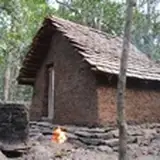
I made charcoal in a closed pot. It's basically using the retort method but instead of a metal retort it was a clay pot. It worked making good quality charcoal on a small scale. I then tried to scale it up and fire a large pot in a kiln but the pot broke during the process and the charcoal burned out. Much appreciated.

Making charcoal in a closed pot

Comments

Thanks!

Primitive Technology

I just saw you posted a video on this, I'll watch tonight! Thank you!!!

EJL

The first charcoal firing in the recent video seems similar to the smudging method Andy's video in that the wood acts as the carbon, turning the inside of the pot black. I also have fired pots in a charcoal mound and they turn out black all over with a temporary water phobic surface, probably due to soot.

Primitive Technology

Check this out; https://youtu.be/Lokyrco808k?si=CYpiYM7jpgacSAEG

Kenneth Crips

I'll have to make some some times, Thanks Tim.

Primitive Technology

Starch can be used to (partially) seal unglazed pottery to reduce water leakage. Might be an interesting follow-on video.

Tim Alan

Actually I was looking at it yesterday and am going to try that. I couldn't do it previously in the wet season as the creek would rise and wash it away, but now we're entering the dry season it should be feasible. I'll dig a pit next to the bank and just throw pots of water onto the bank so the slip collects in there, hopefully no digging of the clay necessary. Thanks.

Primitive Technology

It's a pity they can't be set up near the stream so you could just pile up the clay in deep pits and then open a channel to pour water through them.

James Tyrrell

The collection pit starts off with a dirt base but with use it becomes compacted with clay, sort of like how a natural pond is sealed with clay. The way I originally set it up was multiple cascading pits so it would separate the clay by fineness, with the finest clay being in the lowest pit and silty clay being in the top pit. I considered roofing it though it would take a bit of effort. I sized the pit to give enough clay to make things (bricks/tiles etc) that could fit in the existing hut while drying, more would be left outside if made and that's why the pit isn't bigger. I'm working on a bigger shelter hopefully with roof tiles, then I'll scale up levigation pits to fit. Thanks.

Primitive Technology

Thanks.

Primitive Technology

I would love to see that! Thank you for the response.

EJL

Great to see another video! Oh quick question about the clay collection pit where you mix the clay in suspension and drain that water to clear out impurities, would it be worth firing/baking the collection area so there's no sticks or loose mud there, but a smooth, hardened surface? Also, looking at that space you could make 2 or 3 pits all fed from the raw clay pit, roof them and let the clay partially dry out to avoid additional labour.

James Tyrrell

I've considered doing more on polynesian arrowroot starch. The flour it makes stores well and I wonder if it can be made into noodles or something long lasting. Thanks.

Primitive Technology

Another great video, thank you again. Too bad about bad luck, but watching your effort is always inspiring. I was also wondering if you had plans for any other food related videos? I remember the good old yam days.... I might go watch reruns of that now.

EJL

My older kilns made from mud pile instead of bricks were better because the proportions of the kiln could be custom molded rather than roughly configured from bricks. These kilns had better fire box to ware chamber ratios (fire box is a cube, ware chamber is an identical cube plus 25% height). Also, the current brick kiln has a smaller firebox to ware chamber and is harder to stoke as it's divided into 3 ports. The sole advantage of brick kilns is that they are quick and easy to build and will fire bricks and tiles that don't rely on careful temperature control. Also, you can fire smaller pots provided bricks are put under them to act as a thermal mass that evens out temperature change. It could also be the clay coils not being joined properly. A new source of clay was used which could be another culprit. Also, I normally fire pots upside down so they have a pocket of hot air inside that further evens out hot/cold variation. The kiln size is ok, I've fired a similar pot in a mud pile kiln before and it turned out ok. Thanks.

Primitive Technology

What do you think the error was in the process, or what would you do differently next time? Just based on your prior videos, it seems like a larger kiln with roughly equal heat from both sides of the pot might help?

Michael Brown

Charcoal making is interesting to me also. I'll keep at it and see what I can do. Thanks.

Primitive Technology

And that was the second pot I made, the first one broke before I got it in the kiln so I had to rush making the second one. Thanks for the encouragement, I'll keep them coming.

Primitive Technology

I have no idea why, but I'm so drawn to your various charcoal-making videos. I learn something every time. Sorry this one didn't work out when you went to scale it up, but hey, learned some things along the way no doubt. Thanks!

Jason Arnold

Wow, you put so much effort into making that gigantic pot! It’s amazing to see your hard work. I'm really sorry it broke when you used it. Don't get discouraged—your skills are impressive, and I know your next project will be even better. Keep up the great work!

Dean M


More Creators